
What just happened
On Friday 12th June the US Government ordered Anthropic to pull its two most advanced AI models (Fable 5 and Mythos 5) from every non-US user on the planet. There was no prior notice and no explanation beyond vague national security concerns. All that was put out was an export control directive that landed at 5pm and took both models offline within hours.
Anthropic pushed back and immediately called it a misunderstanding. They said that rival models including GPT-5.5 can do the same thing, but this didn't matter as the models went dark.
Washington is treating advanced AI models as strategically sensitive technologies rather than ordinary commercial products. AI now has completely its own lane. That's a seismic shift and a predictable one — but one most UK businesses won't have even noticed.
What it means in plain terms
If your business has built workflows, automations or products on top of a US frontier model such as Claude or GPT, you are now operating with a dependency you don't control. The most capable AI in the world can be switched off for you overnight by a Government you didn't vote for, citing reasons they won't explain.
For UK SMEs this is a supply chain problem. Most businesses thinking about AI are thinking about which model is smartest or cheapest. They should be thinking about what happens when their preferred model disappears. Just like contingency planning is done for when systems go down or there is a cyber attack, companies need to plan ahead for the future AI race.
The fix: build AI-agnostic
The answer is not to avoid AI. The answer is to build solutions that are AI-agnostic.
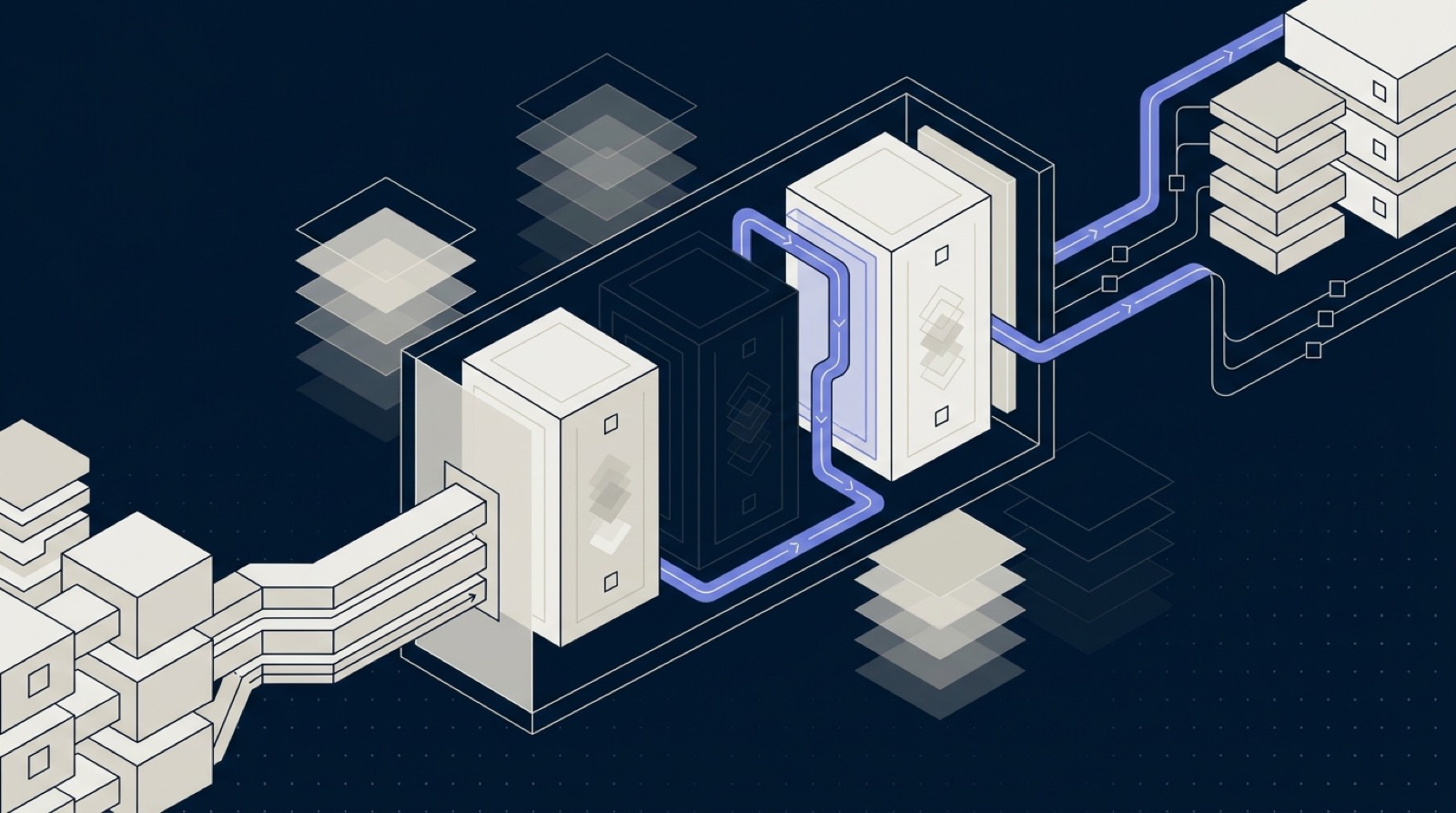
At North Stack we don't build on a single model. We build pipelines that can swap the underlying model out without rebuilding the product. When one model goes down or gets restricted, you switch. The automation keeps running. This is basic supply chain resilience applied to software.
The bigger picture: AI access is now geopolitical
But the bigger picture to this is that Washington is weaponising AI access as a geopolitical tool. This is the opening move in a race for compute and model access that will define which businesses can compete at speed and which can't. The large and powerful will always get priority access. SMEs will get what's left.
What to do now
The guardrail you put in now is simple — don't get locked in. Build on open standards. Use frontier models where they add value but don't make them load-bearing walls.
The businesses that get this right in the next 12 months will have options. The ones that don't will be renegotiating access agreements they don't understand.