[ Assisted ] AI reads, humans act[ NS · knowledge-retrieval-private-ai ]
Knowledge Retrieval & Private AI
A private AI your team can ask in plain English. It answers from your own documents, with citations, access controls, and nothing leaking out.
[ 01 ] The problem
The answer is somewhere in your documents: the policy wordings, the contracts, the procedure manuals, the case files, the regulatory guidance. Finding it means knowing which file, opening it, and reading. New staff take months to get fast. Experienced staff become bottlenecks. And you can't paste sensitive, regulated material into a public AI tool: that's a data and compliance problem you can't afford.
[ 02 ] What we build
- A private retrieval system over your own knowledge base.
- Your team asks in plain English and gets an answer grounded in your documents, with citations back to the source passage so it's checkable, not just plausible.
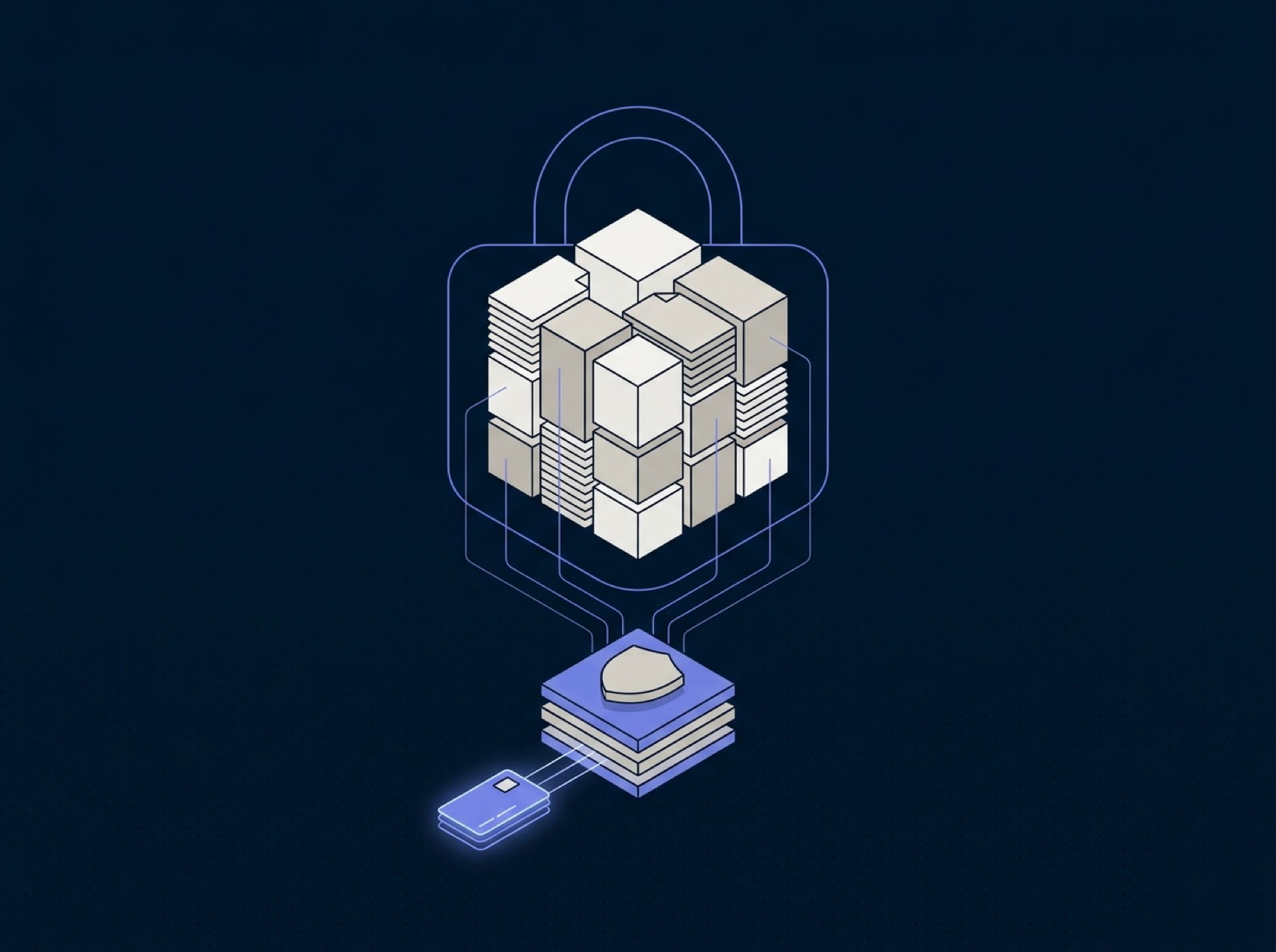
- It runs inside your boundary with role-based access control, so people only retrieve what they're cleared to see.
- Nothing trains a public model or leaves your environment.
- Firmly the 'AI reads, humans act' rung: it retrieves, summarises, and points; your people still make the call.
[ 03 ] What you get
- A private, access-controlled knowledge base built from your documents
- A retrieval interface that answers in plain English with citations to source passages
- Role-based access control so retrieval respects your existing permissions
- A boundary guarantee: your content stays in your environment and trains no public model
- Coverage tuned to your highest-value document sets (policies, contracts, procedures, case files)
- Usage visibility so you can see what's being asked and where the knowledge gaps are
Why it matters
- The assisted rung is where teams learn to trust AI before they rely on it
- Same grounding discipline behind work like Ziani's AI note-taking for the House of Commons
- New staff get productive faster; your experts stop being a search engine for everyone else